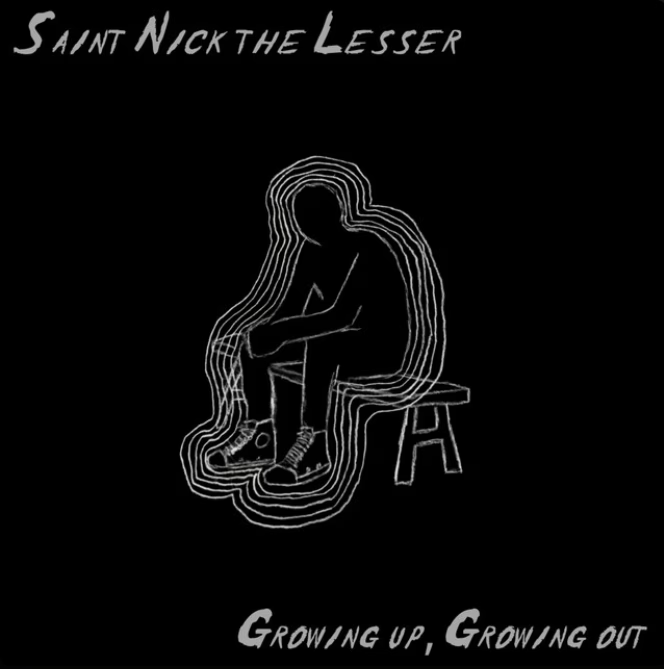

Saint Nick the Lesser is a folk rock storyteller with punk roots and a plainspoken heart. You can hear years of DIY stages and late night writing sessions in his delivery. The songs are built on acoustic bones, colored by organ, horns, and the occasional burst of grit, but the engine is always the voice and the story. Growing up, growing out is his debut full length, and it plays like a decade of lived experience pressed into ten chapters about survival, doubt, grace, and forward motion.
Track by track
21 Minutes
The opener lands like a confession whispered at closing time. The arrangement starts with steady acoustics and a barely there piano shimmer, then adds percussion that feels like a heartbeat learning to trust itself again. He writes about the edge without glamorizing it, turning a memory of almost not being here into a promise to keep going. The hook feels less like a chorus and more like a hand on the shoulder. It is tender, stubborn, and direct. By the time the last line arrives, the song has moved from a private reckoning to a quiet invitation for anyone who needs to hear they are still worth it. It sets the emotional stakes for the entire record.
Anne Marie
This one moves like a letter that took years to finish. The guitar carries a soft swing, and the vocal sits right on top of it, conversational and warm. He writes around the edges of a relationship rather than spelling it all out, and that restraint gives the chorus extra pull. There is a hint of Americana dust in the instrumentation, a little bit of road and sunlight, but the lyric keeps circling memory and accountability. When the rhythm section leans in, the song opens up without losing its intimacy. It feels like a goodbye that refuses to harden into bitterness, which is harder to write than people think.
Catfish Bones
Here, the album gets some teeth. The organ and drums kick the door in, and the vocal takes on a dark grin. It has a southern gothic flavor that turns into full on revival as the band locks into a swaggering groove. Lyrically, he plays with myth and menace, hinting at past selves and the trouble they attract. The verses stalk and the choruses flare, which makes the dynamic shifts hit even harder. It is the kind of track that reminds you roots music can still be dangerous when it wants to be. By the end you can practically see the sweat on the walls.
Cassandra
The mood drops to a hush. Fingerpicked guitar and a simple melodic figure make space for a story that feels too heavy for ornament. He writes about loss with a steadiness that breaks your heart more than any dramatic turn could. The verses carry small details that feel true, and the vocal cracks in all the right places. A subtle swell of strings and low harmony lift the back half without pulling focus from the lyric. This is the kind of song that makes time slow down. It hurts, but it also honors what it describes, and that balance is beautiful.
Thorazine
Fast, sharp, and a little unhinged in the best way. The tempo snaps forward, and the picking flickers like a fuse. He uses gallows humor to talk about medication and numbness, and the punchy phrasing keeps it from getting heavy handed. The band treats the topic with exactly the right attitude, turning agitation into energy you can move to. Short run time, big impact. It is a palate cleanser that still has something to say, and it proves he knows how to leave before the idea wears out.
God Bless
This one is all bite and bounce. Brass punches through the mix, the drums tumble, and the vocal grins while it bares its teeth. He aims the way certain American myths are sold, and he does it with satire that swings. The hook is sticky, which is a clever way to carry a critique into your head long after the track ends. Underneath the fun there is real frustration, and the arrangement channels it into a kind of rowdy joy. It is protest music you can shout along with, which is often the most effective kind.
August in the Rain
The title sets the mood before the first note, and the song follows through with a gentle, off-center lilt. There is a slight jazz tint in the chords, like a rainy window and the sound of glasses in the next room. He lets small images do the heavy lifting, turning a set of ordinary moments into a portrait of a month that would not let go. The rhythm section keeps things buoyant, so the nostalgia never turns syrupy. It lands like a sigh you did not realize you needed to let out. On an album full of heat and weight, this is a welcome cool breeze.
Train Tracks
Dusty Americana with a steady stride. The metaphor is familiar, but he uses it well, focusing on how momentum can feel like fate until you learn where the brake is. The acoustic guitar and snare create a feeling of travel, while a twangy lead line sketches passing scenery. As the arrangement unfolds, the vocal leans into hope without becoming grandiose. It is a song about learning to read the signals and step off when you need to. By the last chorus, it feels like the horizon is a little closer than before.
Amethyst
A waltz that glows from the inside. The chords rock gently, and his voice softens into something almost lullaby-like. The lyric treats the gemstone as both talisman and mirror, a way to talk about clarity that does not come cheap. Small percussion touches and a low harmony bloom around the second verse, and the whole thing lifts without breaking its spell. It is one of the most graceful moments on the record, a reminder that resilience can be quiet. You do not have to shout to sound strong.
The Tunnel
The closer feels like the moment you step out of a long hallway and finally breathe. The groove is brisk, the melody is bright, and the language is plain in a way that feels earned after everything we have been through. He does not pretend the darkness did not happen. He just refuses to let it be the last word. The band plays with a sense of release, and you can hear the relief in the vocals, too. By the end, the album has traveled from confession to conviction. It is a sendoff that leaves a light on for the next chapter.
Final thoughts
Growing up, growing out is the sound of someone taking stock and choosing life, not as a slogan but as a daily practice. The writing is unguarded without being messy, and the band knows exactly when to get loud and when to step back. What sticks is the mix of compassion and fight. He writes like a person who has been through it and still believes in better days, and the arrangements give those beliefs a body.
What did you think of the new tracks from Saint Nick the Lesser? Stay tuned to MusicOnTheRox.com for all your music news and reviews.
Want a review like this?
Send us your release and our editorial team listens to every one. Every submission is also considered for the Music On The Rox Spotify playlist, at no extra cost.