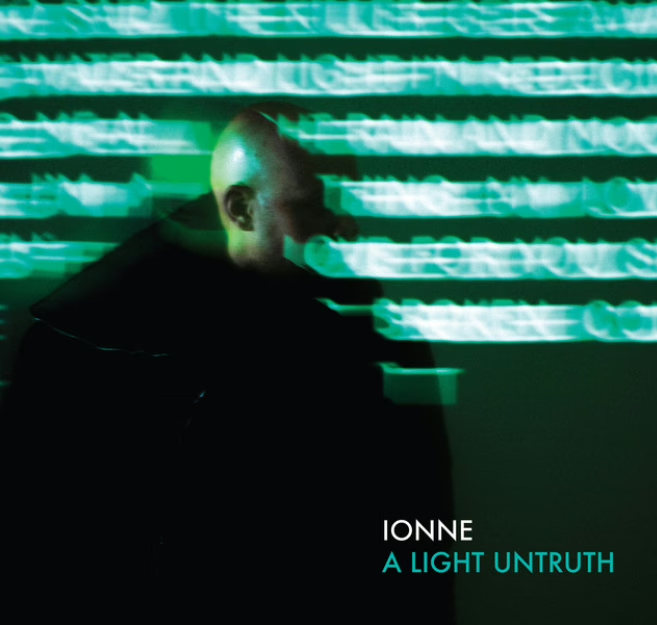

Ionne is a New Haven-based artist who has transitioned from club-focused electronic work into more cinematic and conceptual sounds. His new album A Light Untruth is both intimate and theatrical, weaving together electronic textures, spoken word, and layered vocals into something that feels like an immersive art installation. The record is inspired by collaborations with visual artists, and you can hear that sensibility in how each track feels like its own carefully constructed piece of performance art.
Track by Track
Overture
The album begins with “Overture,” a tense instrumental piece that feels more like a short film score than a traditional opening. The swelling synths and percussive pulses create suspense, pulling the listener into an atmosphere where something important is about to unfold. It is brief, but it sets a tone of anticipation that carries into the rest of the record.
Headlight
“Headlight” brings in vocals for the first time, and they arrive with a kind of hushed urgency. The production is sparse, almost skeletal, but that makes the emotions hit harder. Ionne sings about light as both a guide and a threat, and the layered harmonies add a haunting echo. It’s a song that feels like it is balancing on the edge of something fragile.
Run
There is a restless energy running through “Run.” The beat is propulsive, but it’s not about speed so much as tension. The lyrics suggest escape, yet the clipped rhythm makes you feel like you’re being chased by your own thoughts. It’s cinematic and intense, a track that mirrors the anxiety of trying to break free from something you cannot name.
Dusk & Dawn
This song is more reflective, a contrast to the urgency of “Run.” It has a conversational feel, almost as if two voices are in dialogue about memory and loss. The production is soft and hazy, capturing the liminal space between day and night. It’s a track about duality, about what fades and what lingers, and it’s one of the album’s more tender moments.
Blacklight
“Blacklight” is one of the boldest pieces on the record. It blends spoken word with pulsing electronic textures, creating a sense of unease. The lyrics cut sharp, questioning what is revealed when the lights are off and only the blacklight remains. There’s something unsettling about it, but also playful, as if it’s daring the listener to look closer at what they’d rather not see.
Spotlight
This track is sharper, more direct, almost biting in tone. The production is sleek, with a steady rhythm that mirrors the feeling of being on display. Lyrically, it digs into the pressures of performance and visibility, making it a social critique wrapped in a polished package. It stands out for its clarity and confidence.
When We’re Alone
“When We’re Alone” feels cinematic in scope, yet emotionally intimate. The verses are stripped down, letting the vulnerability of the lyrics breathe, before swelling into something grander in the chorus. It’s about the spaces we inhabit when no one else is watching, and it captures both the freedom and fear of true privacy.
Save the World
This track pulls back the curtain on idealism, carrying a tone that is both sincere and questioning. The production has a melancholy undertone, but it builds with hope. It asks if saving the world is possible when saving ourselves feels difficult, and it does so in a way that feels deeply personal rather than overly political.
Sunrise
“Sunrise” shifts the energy toward light and renewal. The arrangement feels warm and expansive, like a horizon opening up after a long night. It offers the listener a sense of reprieve, something brighter after the darker tones of earlier tracks. The optimism here feels earned rather than forced, which makes it all the more moving.
The Neverending Sun
The closing track ties everything together with weight and thoughtfulness. It tackles privilege and consequence with direct language, asking what it means to live in a world where some are shielded from truth while others live under its harsh glare. The production is both nostalgic and beautiful, leaving the listener with questions rather than answers. It’s a fitting conclusion to an album about truth, light, and the spaces in between.
A Light Untruth is not an album to put on in the background. It demands attention and rewards it with layers of meaning, production choices that feel deliberate, and performances that are vulnerable and sharp. It is personal but also reaches outward, blurring the line between the intimate and the theatrical.

Thirty seconds. No artist name.
Our app plays you a song with the name hidden, so you decide on the music alone. Swipe right to keep it and the artist is revealed. Everything in it is independent, and nothing can be paid into the feed.
Want a review like this?
Send us your release and our editorial team listens to every one. Every submission is also considered for the Music On The Rox Spotify playlist, at no extra cost.